Nutrition & Feeding
Breastfeeding and Bottle-Feeding Basics
Nutrition during the early months lays the groundwork for healthy growth, development, and lifelong habits. Whether parents choose breastfeeding, bottle-feeding, or a combination of both, understanding the basics can help ensure their babies receive the nourishment and support they need.
Breastfeeding provides essential nutrients, antibodies, and opportunities for bonding. Although it may feel challenging at first due to concerns about latch, milk supply, or feeding schedules, learning gradually, seeking support from lactation consultants, and staying flexible can make the process easier. Each feeding session offers a chance to connect, and progress often comes through small, steady steps.
Formula feeding is equally valid and can help caregivers manage predictable feeding routines, especially in busy urban households. Choosing an age-appropriate formula, following preparation instructions carefully, and keeping bottles clean are important for supporting safety and proper nutrition. Maintaining a clean feeding area and being mindful of household water quality can also help parents make informed decisions; Private water testing in NYC is one option for learning more about residential water quality.
Many parents combine breastfeeding and formula feeding, and there is no single approach that works for every family. What matters most is consistency, responding to a baby’s hunger cues, and creating a calm feeding environment. When practiced thoughtfully, either method—or a combination of both—can support healthy growth.

Introducing Solids and Toddler Nutrition
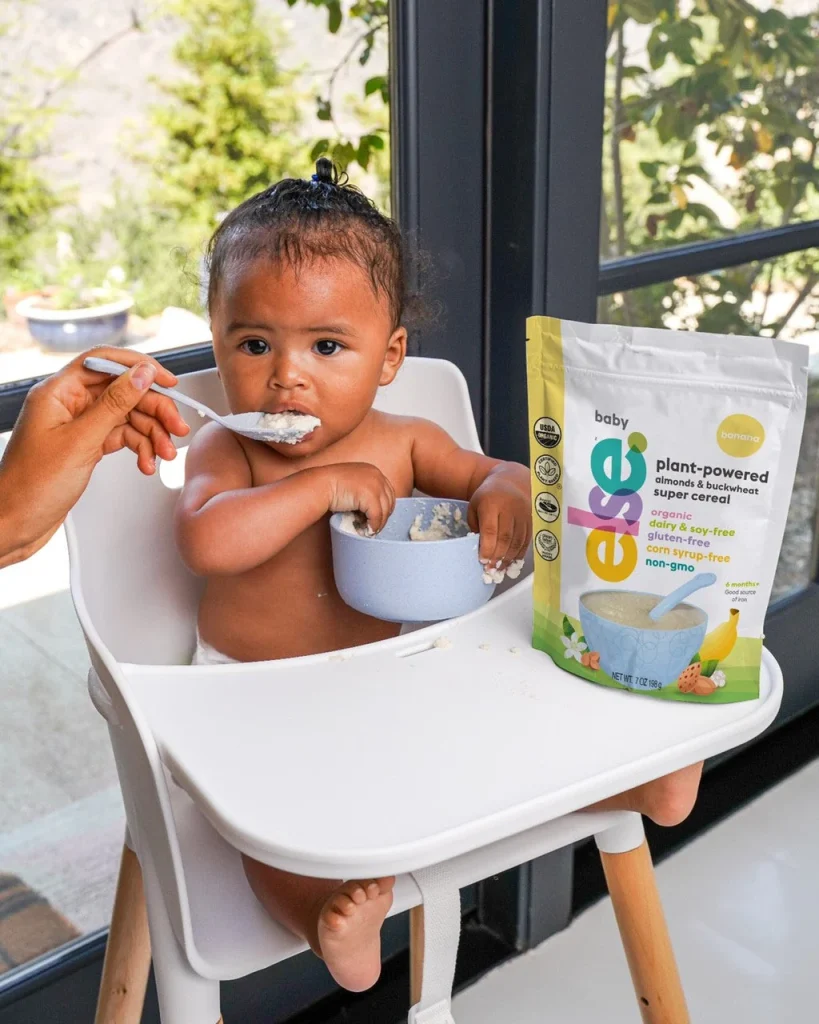
Around six months, babies typically begin exploring solid foods. Introducing solids safely means offering a variety of textures and flavors while monitoring for allergies and choking hazards. Start with soft, single-ingredient foods like pureed vegetables, fruits, or iron-fortified cereals. Gradually increase texture and combinations as babies develop chewing skills.
Toddler nutrition evolves from purees to family meals. Balanced plates include fruits, vegetables, whole grains, protein, and healthy fats. Avoid pressuring children to eat; instead, offer repeated exposure and model positive mealtime behaviors. Urban parents may face time constraints, so simple, nutrient-dense snacks — cut fruit, yogurt, or whole-grain crackers — are effective ways to maintain healthy habits.
Avoid heavy metals in store-bought baby foods by checking labels, rotating brands, and including home-prepared options when possible. Diversity in diet supports both nutrient intake and exposure reduction.

Hydration Guidance for Moms and Kids
Hydration is vital for both parents and children. For mothers, adequate water intake supports milk production and overall energy levels. Babies under six months generally receive hydration from breastmilk or formula; older infants and toddlers benefit from small, frequent sips of water.
Encouraging regular water intake, especially in city apartments where air can be dry, supports digestion, concentration, and overall well-being. Avoid sugary drinks for toddlers, and establish accessible water stations in the home to promote independence and healthy routines.



Building Healthy Snack and Meal Routines
Creating predictable meal and snack routines helps toddlers develop healthy relationships with food. Offer meals at consistent times, interspersed with structured snack opportunities. Keep portions age-appropriate, colorful, and engaging. Include children in simple food preparation to build curiosity and confidence.
Urban parents may face challenges like busy schedules, small kitchens, or limited outdoor time. Planning ahead — prepping snacks, organizing fridge bins, or setting up grab-and-go options — reduces stress and ensures balanced nutrition.
Establishing these habits early supports long-term health, encourages autonomy, and makes mealtimes a source of connection rather than conflict. Nutrition is not just about what children eat — it’s about creating a positive, sustainable routine that works for the whole family.