Many parents want a healthier home for their babies and toddlers, but the topic of environmental toxins can quickly become overwhelming. One article says to replace every product. Another says plastic is dangerous. Another says the air, dust, water, furniture, cleaners, food packaging, and toys all need attention. Before long, parents may feel like nothing in the home is safe and every decision is wrong. That kind of pressure is not helpful for families already managing diapers, meals, sleep, work, laundry, and daily care.
Reducing environmental toxins does not have to mean going extreme. It does not require throwing away everything, buying the most expensive products, or trying to create a perfectly chemical-free home. A more realistic goal is to reduce the most common and avoidable exposures in simple steps. Families can focus on air, dust, cleaning products, food contact materials, water, old paint, moisture, and safe storage. A healthier home is built through steady habits, not panic. Parents who want a balanced starting point can explore home environmental health and choose changes that fit their real life.
Start With the Biggest Everyday Exposures
The best way to avoid overwhelm is to focus on the areas that come up every day. Babies and toddlers crawl on floors, touch surfaces, put hands in their mouths, eat from plates and cups, sleep close to bedding, and breathe indoor air for many hours. That means practical changes around dust, cleaning, ventilation, food storage, and handwashing can be more useful than worrying about every possible exposure.
The EPA explains that indoor air quality can be improved through source control, ventilation, and filtration. Its indoor air guidance notes that people spend a lot of time indoors and that children can be more vulnerable to poor indoor air quality. Families can review the EPA’s indoor air quality resources for a practical starting point. The main idea is simple: reduce sources when possible, bring in fresh air when safe, and use filtration when helpful.
Choose Source Control Over Panic
Source control means reducing the thing that creates the exposure in the first place. For example, if a cleaner has strong fumes, choose a gentler product or use less of it. If shoes bring dirt and outdoor dust into the home, remove shoes near the door. If a room smells musty, look for moisture rather than covering the smell with fragrance. If a product is unnecessary, stop using it instead of trying to clean the air afterward.
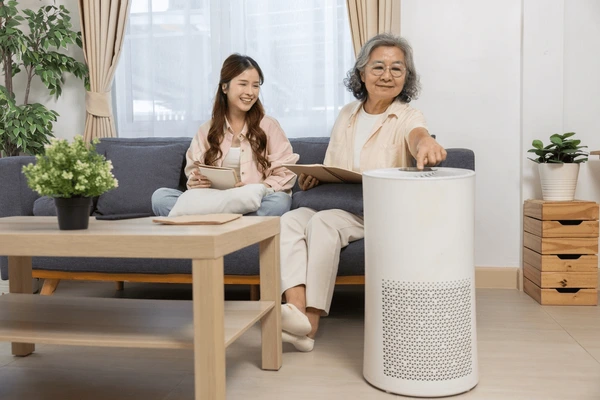
This approach is calmer than trying to fix everything with one expensive device. Air purifiers, filters, and specialty products can help in some situations, but reducing sources is often the most direct step. A family does not need to become extreme. They can simply ask, “What exposure happens most often here, and what small change reduces it?”
Reduce Dust in Baby and Toddler Zones
Household dust can collect particles from outdoors, old paint, soil, cleaning products, furniture, plastics, and everyday living. Babies and toddlers are close to the floor and often put hands in their mouths, so dust control matters. The solution does not need to be complicated. Wet mopping, wiping surfaces with a damp cloth, vacuuming with a good filter when possible, and washing hands before meals can all help.
The EPA recommends cleaning homes weekly with a clean wet or damp cloth, sponge, or mop to minimize dust that may contain lead. Its guidance on actions to reduce potential lead exposure is especially useful for families in older housing. Parents do not need to obsess over every speck of dust, but a simple weekly dust routine can reduce what children pick up from floors, windowsills, and play areas.
Make a Shoe-Free or Shoe-Limited Home
One easy non-extreme step is limiting shoes indoors. Shoes can bring in soil, street dust, pesticides, grime, and other outdoor residues. A shoe-free home is not always realistic for every visitor or every family, but even a shoe-limited system helps. Keep a mat at the door. Create a shoe basket or tray. Use indoor slippers if needed. Wipe stroller wheels when they are very dirty.
This is especially helpful in homes with crawling babies. The floor does not need to be sterile, but reducing outdoor dirt where babies play is a practical habit. Families can connect this with baby and newborn routines by keeping the main baby play area cleaner and easier to maintain.
Use Safer Cleaning Products Without Overbuying
Parents often feel pressure to buy an entire new cleaning cabinet. That is usually not necessary. Start by simplifying. Choose a mild dish soap or general cleaner for routine messes, and keep disinfectants for specific situations such as illness, bathroom contamination, or raw meat cleanup. Avoid using strong sprays around babies and toddlers, and ventilate when stronger products are needed.
The EPA’s Safer Choice program helps consumers find products that perform and contain ingredients that are safer for people and the environment. This can help parents compare cleaning products without relying only on marketing words like “natural” or “green.” A safer routine is not about owning many products. It is about using fewer products correctly and storing them safely.
Avoid Mixing Products
One of the most important cleaning safety rules is to never mix cleaning products. Mixing bleach with ammonia, vinegar, toilet cleaner, or other products can create dangerous fumes. This matters even more in small homes, apartments, and bathrooms with poor ventilation. Parents should use one product at a time, follow the label, and keep children away during cleaning.
This is a simple example of reducing risk without going extreme. You do not need advanced knowledge of chemistry. You need a basic family rule: one cleaner at a time, label followed, room ventilated, children away, products stored securely. This habit protects both children and adults.
Ventilate During Everyday Activities
Ventilation is not only for cleaning. Cooking, painting, new furniture, scented products, candles, and bathroom moisture can all affect indoor air. Opening windows when outdoor air quality is acceptable, using kitchen exhaust fans, turning on bathroom fans, and airing out rooms after strong odors can help. In cities or high-pollution areas, families may need to be thoughtful about when windows are opened.
Ventilation should match the situation. If outdoor air is smoky or polluted, opening windows may not help. If a room smells strongly from a cleaner, ventilation is important. If cooking creates smoke, use the exhaust fan. Small repeated ventilation habits can reduce indoor buildup without requiring families to change everything.
Be Careful With Fragrance
Many homes use scented candles, plug-ins, sprays, laundry scent boosters, and strong air fresheners to make the home smell clean. But fragrance can add unnecessary chemicals to indoor air, and some babies, toddlers, or adults may be sensitive to strong scents. A healthier approach is to remove the source of bad odors rather than cover them.
Take out diaper trash regularly. Wash high chair straps. Clean spills. Dry bath toys. Check for musty areas. Ventilate. Use unscented or lightly scented products when possible. A home does not need to smell like perfume to be clean. In many cases, a low-scent home is more comfortable for young children.
Think About Plastic Around Heat
Plastic is everywhere in family life: bottles, cups, plates, storage containers, toys, packaging, and snack bags. Parents do not need to eliminate every plastic item overnight. A practical first step is to avoid heating food in plastic when possible, especially if the container is not clearly intended for that use. Heat can increase the chance of chemicals migrating from some materials into food.
The FDA explains that it regulates food contact substances and has amended regulations so BPA-based polycarbonate resins are no longer provided for use in baby bottles and sippy cups. Families can read the FDA’s information on BPA use in food contact applications for background. A balanced approach might be using glass or stainless steel for hot foods, letting food cool before storing, and replacing scratched or damaged plastic items used for feeding.
Do Not Panic About Every Toy
Toys can become a major worry for parents. Instead of panicking, focus on practical toy safety. Choose age-appropriate toys from reputable brands. Avoid toys with peeling paint, strong chemical odors, broken parts, or unknown safety history. Be extra careful with old painted toys, imported items without clear labeling, and toys not meant for children under three. Wash toys that go into the mouth and remove damaged items.
For toddlers, choking risk may be a more immediate concern than theoretical chemical exposure from every toy. Keep small parts away from babies and toddlers. Rotate toys so fewer are on the floor. Store questionable items out of reach until you can check them. Families with toddlers can connect this with toddler and early childhood routines, where safety and simplicity matter more than having too many toys available.
Be Lead-Aware in Older Homes
Lead is one of the home exposures families should take seriously, especially in older housing. Lead-based paint and lead-contaminated dust can be major sources of exposure for young children. This is especially important when paint is peeling, windows are old, renovations are happening, or dust collects on floors and windowsills.
The CDC states that lead-based paint and lead-contaminated dust are widespread and hazardous sources of lead exposure for young children. Its page on lead in paint is a helpful resource for families in older homes. Parents should avoid sanding or disturbing old paint themselves, keep children away from renovation dust, wet-clean floors and windowsills, and talk with a pediatrician about lead screening when appropriate.
Use Water Habits That Are Simple
Water concerns can feel complicated, especially in older buildings. Families can take simple steps without panic. Use cold water for drinking and cooking. Let water run briefly if it has been sitting in pipes for many hours, especially in older plumbing. Clean faucet aerators occasionally. Use a certified filter if there is a specific concern and replace cartridges on schedule. Follow local water advisories when issued.
Water issues vary by location and building, so families should not assume every home has the same risk. If parents have concerns about lead, taste, odor, discoloration, or old plumbing, they can ask local water authorities, building management, or qualified testing services for guidance. The point is not to fear the tap. The point is to use informed habits when concerns exist.
Control Moisture and Mold Early
Moisture problems can affect indoor air and comfort. Bathrooms without good ventilation, leaky windows, damp basements, and poorly dried spills can create mold-friendly conditions. Parents should respond to moisture early: run bathroom fans, dry wet areas, fix leaks, keep humidity under control when possible, and avoid letting damp fabric or bath toys sit sealed and wet.
If mold is visible, spreading, or connected to a leak, families may need landlord, building, or professional help. Covering mold with fragrance or paint does not solve the moisture source. This is another example of source control. Remove or fix the cause when possible, then clean safely.
Be Thoughtful During Renovations
Renovations can create dust, fumes, paint smells, adhesive odors, and disturbed materials. Families with babies, toddlers, or pregnant household members should plan carefully. Use low-VOC products when possible, ventilate, keep children away from work areas, clean dust with damp methods, and be especially cautious in older homes where lead paint may exist. Major work may require professional handling.
Families preparing for a baby can connect renovation planning with pregnancy and prenatal health. If a nursery, kitchen, or bathroom project is planned, it is better to think about ventilation, product choice, timing, and dust control before work begins. A beautiful renovation should not create avoidable exposure for the youngest family members.
Store Chemicals, Medicine, and Personal Care Products Safely
Environmental toxin reduction is not only about what products are in the home. It is also about whether children can access them. Cleaning sprays, laundry pods, dishwasher pods, medicines, vitamins, cosmetics, nail products, pest products, and essential oils should be stored out of reach and preferably locked. Toddlers are fast and curious, and child-resistant packaging is not childproof.
Keep products in their original containers. Do not pour cleaners into food containers or unlabeled bottles. Keep Poison Control’s number available in the United States: 1-800-222-1222. Safe storage is one of the most powerful toxin-reduction steps because it prevents accidental exposure, not just long-term low-level contact.
Make Food Choices Without Fear
Food can become another source of anxiety. Instead of trying to make every bite perfect, focus on practical habits. Wash fruits and vegetables. Offer variety when possible. Limit highly processed foods when realistic. Store food safely. Avoid microwaving in plastic that is not intended for that use. Use safer fish guidance if serving fish to children or pregnant family members. Keep mealtime calm and age-appropriate.
Families can use nutrition and feeding resources to build healthier patterns without turning food into fear. Children benefit from consistent meals, safe textures, responsive feeding, and balanced nutrition. Environmental health should support feeding, not make parents afraid of every food choice.
Do Not Let “Non-Toxic” Marketing Create Panic
The word “non-toxic” appears on many products, but it is not always a clear scientific guarantee. Some products use the term for marketing. Others may be safer in certain ways but still require careful use. A cleaner labeled natural can still irritate eyes. Essential oils can still be harmful if swallowed. A plant-based product can still be unsafe for a toddler to access.
Instead of trusting labels alone, read instructions, look for reputable certifications, use products only as directed, ventilate, and store them securely. Parents do not need perfect products. They need safer habits. Marketing should not create guilt or pressure to replace everything immediately.
Choose Changes by Priority
A simple priority list can make toxin reduction manageable. First, secure dangerous products. Second, reduce dust in child zones. Third, improve ventilation during cleaning and cooking. Fourth, choose gentler routine cleaning products. Fifth, be lead-aware in older homes. Sixth, reduce plastic use around heat. Seventh, control moisture. Eighth, avoid unnecessary fragrance.
This kind of step-by-step approach prevents overwhelm. Families can choose one change this week and another next month. A healthier home is still healthier even if it improves gradually. Going extreme is not required.
When to Ask for Professional Help
Some situations need more than home habits. Ask for professional guidance if there is peeling paint in an older home, major renovation dust, recurring mold, pest infestation requiring chemicals, water contamination concerns, strong unexplained odors, or a child with symptoms that may be linked to the home environment. Parents should also talk with a pediatrician about lead screening, asthma concerns, allergies, or exposure questions.
Families can use the contact page for non-urgent questions or support direction, but urgent health concerns should go directly to a healthcare professional or emergency service. Environmental health is important, but parents should not have to solve complex hazards alone.
The Bottom Line
Reducing environmental toxins without going extreme means focusing on practical, high-impact habits. Control dust. Remove shoes near the door. Choose safer routine cleaners. Avoid mixing products. Ventilate during cleaning and cooking. Reduce unnecessary fragrance. Avoid heating food in plastic when possible. Be careful with old paint and renovation dust. Control moisture. Store chemicals and medicine securely. Make gradual changes instead of panic-driven purchases.
Parents do not need a perfect home to create a healthier one. Babies and toddlers benefit from clean floors, safer storage, fresh air, thoughtful feeding materials, fewer strong fumes, and adults who are not overwhelmed by fear. The best environmental health plan is one the family can actually live with, repeat, and improve over time.